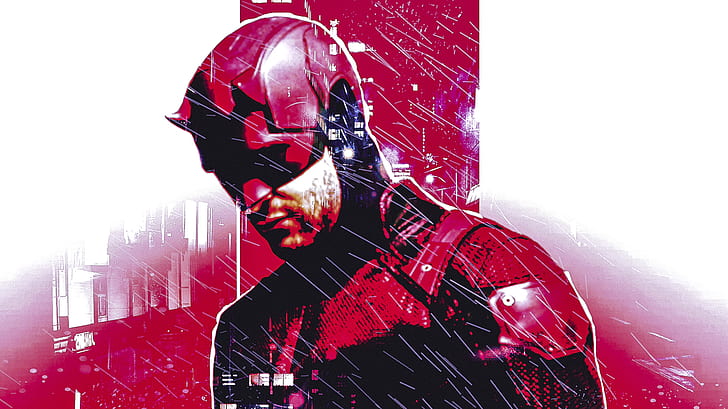
Daredevil: Born Again Proves Bullseye, Not Kingpin, Is the MCU’s Most Formidable Villain
April 16, 2026“Daredevil: Born Again” Season 2, Episode 4 confirms Bullseye as the Marvel Cinematic Universe’s best villain, eclipsing Kingpin’s legacy by delivering unprecedented narrative complexity and brutality. Key episodes establish Bullseye’s dominance, particularly through iconic fight sequences and pivotal character deaths, setting a new standard for MCU antagonists.
Since its debut in March 2025 on Disney+, Daredevil: Born Again has reignited debate over the MCU’s greatest villain. While Wilson Fisk, a.k.a. Kingpin (Vincent D’Onofrio), has long been considered a cornerstone antagonist across five seasons of “Daredevil” and “Born Again”, and featured in “Hawkeye” and “Echo”, the series’ latest episode has shifted critical consensus dramatically. “Season 2, Episode 4 marks a turning point, placing Bullseye in the top echelon of MCU villains due to his psychological depth and chilling narrative impact,” as reported by fan and industry reviews.
Bullseye’s Ascent: Key Scenes and Impact
“Such a nice boy.” #DaredevilBornAgain pic.twitter.com/RqOZpVaVBC
— Daredevil (@Daredevil) April 8, 2026
Bullseye, portrayed by Wilson Bethel (Benjamin Poindexter), returned to prominence after debuting in Netflix’s “Daredevil” Season 3 (October 2018). The revival’s new season leverages this character’s simplicity and methodical menace. “Sometimes simplicity is key, and that is what makes Daredevil and Daredevil: Born Again’s Bullseye so special,” notes the source material. While Kingpin’s presence became “obnoxiously” repetitive due to continuous appearances, Bullseye’s selective involvement intensified his threat level.
Notable moments defining Bullseye’s villainy include:
- Bullseye’s battle against Daredevil at the Daily Bulletin offices (Season 3, Episode 6 of the Netflix series): Cited as “one of the MCU’s most iconic fight sequences.”
- The assassination of Franklin “Foggy” Nelson in “Born Again” Season 1, Episode 1: This event “established a devastating tone for the new series.”
- Season 2, Episode 4 (Diner, Apartment, and Fogwell’s Gym scenes): The succession of these scenes is described as “basically the act of placing the ‘best MCU villain’ crown onto Bullseye’s balaclava-clad head.”
Bullseye’s narrative complexity and skill are underscored by critical acclaim: “Bullseye’s storytelling nuance and complexity, paired with his extraordinarily entertaining and creative marksman ability, are unparalleled by any other villain who has graced the MCU.”
The new series amplifies this with a consistent “blue filter” atmosphere for Bullseye’s scenes, reinforcing his status as a contemporary generational villain.
Kingpin’s Oversaturation and Street-Level Shift
The MCU’s reliance on Kingpin as a central villain, across multiple seasons, spinoffs, and cameos, has attracted criticism for character fatigue. The show acknowledges Kingpin’s superiority in the political and physical arenas, yet he “overstayed his welcome quite obnoxiously.” Even when incarcerated, Kingpin remained omnipresent. This persistent focus, according to the article, led to diminishing returns: “After five seasons, as well as supporting or cameo appearances in Hawkeye and Echo, it has become a bit much.”
The emergence of “street-level” MCU stories is a deliberate response to audience appetite for grounded, personal stakes following several years dominated by multiversal, theatrical-scale threats (e.g., “Avengers: Doomsday” and “Avengers: Secret Wars”). Successful projects like Thunderbolts*, Daredevil: Born Again, Punisher: One Last Kill, and Spider-Man: Brand New Day evidence the pivot toward characters who thrive in intimate, gritty narratives.
Critics highlight that Bullseye, with his “misguided sense of righteousness,” would be underutilised in an ensemble Avengers film, where screen time would be diluted by larger-than-life heroes. The material states unequivocally, “Bullseye is sure to eclipse any villain he is in the same show or movie with, unless his exceptional writing and portrayal from the shows are purposefully watered down, which would be a travesty.”
There is disappointment over other missed opportunities, specifically the hasty removal of Muse (a villain whose persona passes to Dr Heather Glenn), but the narrative remains clear: “Because Bullseye is so frightening and endearing, it will be neat to see how his role develops in the MCU. It is not expected that he will turn a leaf fully and become good or sane by the end of Season 2, but his comprehensive morality is fertile soil for Daredevil: Born Again to plant fruitful seeds in.”
Daredevil: Born Again, Key Information
- Show Title: Daredevil: Born Again
- Genre: Drama, Crime, Action, Sci-Fi, Adventure, Superhero
- Age Rating: TV-MA
- Seasons: 2
- Number of Episodes: 9
- Release Date: 4 March 2025
- Streaming Platform: Disney+
- Main Cast: Charlie Cox (Matt Murdock/Daredevil), Vincent D’Onofrio (Wilson Fisk/Kingpin), Wilson Bethel (Bullseye/Benjamin Poindexter)
- Showrunner: Dario Scardapane
- Directors: Aaron Moorhead, Justin Benson, David Boyd, Jeffrey Nachmanoff
- Writers: Jesse Wigutow, Jill Blankenship, Thomas Wong, David Feige, Grainne Godfree
- Franchise: Marvel Cinematic Universe
The official synopsis highlights: “Blind lawyer Matt Murdock uses his heightened abilities to pursue justice in New York as the superhero vigilante Daredevil. Manages his bustling law firm, Murdock butts heads with former mob boss Wilson Fisk’s political ambitions, leading both men toward inevitable confrontation time and again.”
With a 9.0/10 rating, Daredevil: Born Again stands as one of Disney+’s highest-rated original series. Subscription to updates promises deeper villain analyses, character arcs, and Marvel saga context for viewers seeking comprehensive breakdowns.
In summary, “Daredevil: Born Again” establishes Bullseye as the MCU’s most significant villain through innovative narrative construction, layered psychological conflict, and a series-defining performance unmatched by previous mainstays like Kingpin.