Lara Croft’s Anime Makeover Rejected by Original Tomb Raider Developers, Reveals Co-Creator Paul Douglas
January 21, 2026Victor Interactive, the Japanese publisher for the original Tomb Raider, requested an anime-style redesign of Lara Croft to appeal to Japanese audiences, but developers Paul Douglas and Toby Gard declined, maintaining her original in-game appearance.
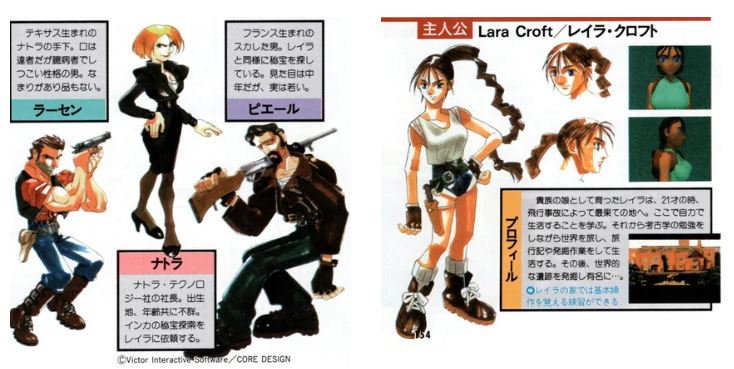
Paul Douglas, co-creator of Tomb Raider, confirmed that the team behind the landmark 1996 title was approached by Victor Interactive with a proposal to alter Lara Croft’s in-game look to be “more appealing to a Japanese audience.” The request included giving Lara “huge eyes/head, etc,” mirroring typical anime character aesthetics. This suggestion was delivered to the core Tomb Raider development team through a fax containing design concepts late in the game’s development cycle.
Lara Croft’s Original Anime Redesign Request: The Full Story
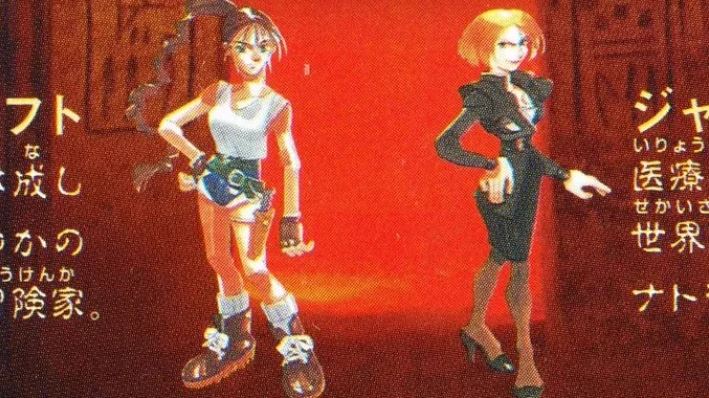
Douglas recounted on his Bluesky account: “I co-created Tomb Raider half a lifetime ago. Victor Interactive wanted the team to change up Lara’s in-game look to ‘appeal more to a Japanese audience’. That redesign request included ideas for Lara to have ‘huge eyes/head etc’.”
Victor Interactive’s initial proposal aimed to overhaul all in-game character and cutscene models to fit the manga style. As Douglas explained, “It started out as a request to change all the in-game and cutscene models. Then just in-game. Then just Lara. Then just Lara’s head…” The publisher’s faxed suggestions arrived late into Tomb Raider’s development, when resources and time were constrained. Douglas noted, “Victor just assumed altering all the models would only take a few days of work. However, this was ‘early days of 3D… 🙄’, so would of course take considerable time.”
Fellow Tomb Raider developer Toby Gard, credited with Lara’s design, “didn’t really want to alter Lara,” Douglas revealed. In response, a compromise was reached whereby the instruction manual and game guide for the Japanese release featured “more manga-style characters,” although Douglas clarified he was “not sure who did that render or illustrations.”
- Publisher: Victor Interactive (Japan release)
- Redesign specifics: Larger eyes and head for Lara Croft; overall ‘anime’ appearance
- Development stage: Request made late in production via fax
- Developer response: Refused to change in-game model; compromise with manga-style manual art
Legacy and Current Developments
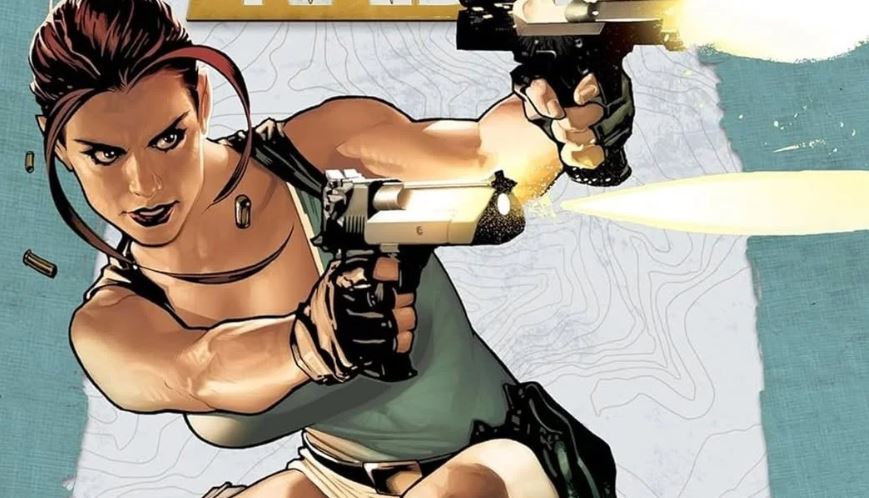
This anecdote emerges as the Tomb Raider franchise continues to evolve. The original Tomb Raider is currently being remade from the ground up as Legacy of Atlantis, set for release later this year on PlayStation 5, Xbox Series X/S, and Steam. The series also has a new mainline entry in development by Crystal Dynamics and Amazon, tentatively titled Tomb Raider: Catalyst, which will take Lara Croft to Northern India. Eva La Dare, known for her performance as Sheva Alomar in Resident Evil 5, recently confirmed her involvement in Tomb Raider: Catalyst’s cast.
Commentary on the design dispute also highlights the contrasts in cultural preferences for character aesthetics and the technical challenges faced during the early era of 3D modelling. Douglas’s open documentation of the request, refusal, and eventual compromise offers a rare insight into global marketing pressures on video game development in the 1990s.
Key Quotes:
- Paul Douglas: “Victor Interactive wanted the team to change up Lara’s in-game look to ‘appeal more to a Japanese audience’. That redesign request included ideas for Lara to have ‘huge eyes/head etc’.”
- “It started out as a request to change all the in-game and cutscene models. Then just in-game. Then just Lara. Then just Lara’s head…”
- “Victor just assumed altering all the models would only take a few days of work. However, this was ‘early days of 3D… 🙄’, so would of course take considerable time.”
- “Toby Gard didn’t really want to alter Lara.”
- “[The manual] features more ‘manga-style’ characters, though I’m not sure who did that render or illustrations.”
Tomb Raider’s distinctive design integrity remained protected thanks to the firm stance of its UK-based developers, resisting external pressure to dilute Lara Croft’s original visual identity, even as the series adapted for global audiences.