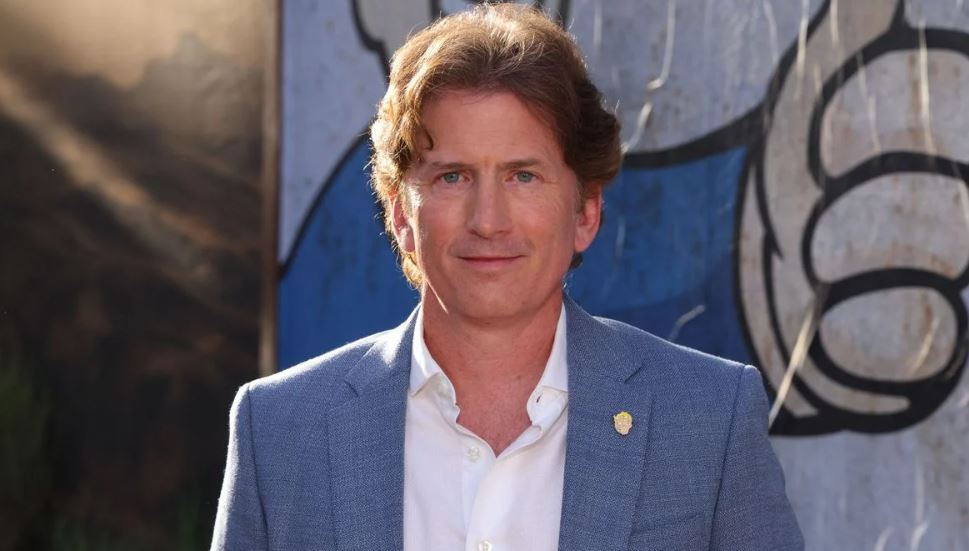
AI is everywhere in gaming, but Todd Howard insists real creativity can’t be automated
December 7, 2025Bethesda’s Todd Howard isn’t buying the idea that AI can, or should, take over game development. This week, at an event celebrating Fallout’s second Amazon season, Howard was put on the spot about the fast-growing use of artificial intelligence in making games. His answer was simple: AI is just a tool, not a replacement for human creativity.
“Creative intention comes from human artists, number one,” Howard told Eurogamer’s Mat Jones. “We look at it as a tool… is there a way we can use it to help us go through some iterations that we do ourselves faster. Not in generating things, but we are always working on our toolset for how we build our worlds or check things.”
He compared it to using software like Photoshop, pointing out how nobody wants to go back to earlier, less powerful versions. “If you go back 10 years ago, that version of Photoshop, you wouldn’t want to go back to that version of Photoshop.” He added, “We want to protect the artistry. The human intention of it is what makes our stuff special.”
The Gaming Industry Rushes into AI, and the Fallout
The reality is that AI is showing up everywhere in game development. It’s powering NPCs, speeding up animation, and changing how games come together behind the scenes. A report from Unity said that 62 percent of studios using its platform have folded AI into their workflow. Animation has become the top target.
A Game Developers Conference survey backs this up: nearly a third of industry workers say they’re already using AI tools. Jump to 2025, and those numbers are ticking even higher. A Tokyo Game Show survey recently found that over half of Japanese game companies are now using AI somewhere in production.
AI headlines keep coming. Just this afternoon, publisher Running with Scissors pulled the plug on its upcoming game, Postal: Bullet Paradise, a co-op bullet-heaven shooter. The reason? Players pushed back when it was revealed that much of the game was made with generative AI. The response online was fast and overwhelmingly negative.
Tim Sweeney, CEO of Epic Games, has publicly said that AI will soon be almost a universal presence in game production. For him, disclosing the use of AI in a project would make about as much sense as telling you what shampoo the studio uses; everybody’s doing it, and in all kinds of ways.
Human Artistry vs. Automated Tools
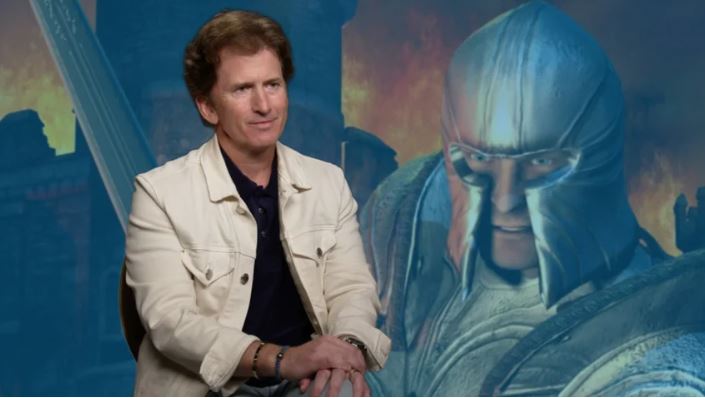
The big worry, and the question Todd Howard addressed directly, is whether AI will cheapen or compromise the craft of making games. The Fallout and Elder Scrolls boss isn’t shy: tooling up with the latest tech is fine, but the spark, the decision of what worlds to build and how to bring them to life, has to come from people, not algorithms.
For Howard and Bethesda, the line is clear: human intention is non-negotiable. Tools that speed up routine tasks or make iteration easier are welcome, just like upgrades to old software. But the “artistry,” the magic that makes a Bethesda game more than just a sum of its systems, has to come from humans in the loop.
Elsewhere in the same conversation, Howard hinted at more to come for fans, including talk about his favourite game of the year and chatter about whether an Elder Scrolls adaptation could be on the horizon. But when it comes to AI, his stance never wavered; technology should elevate, not replace, the vision and work of artists.