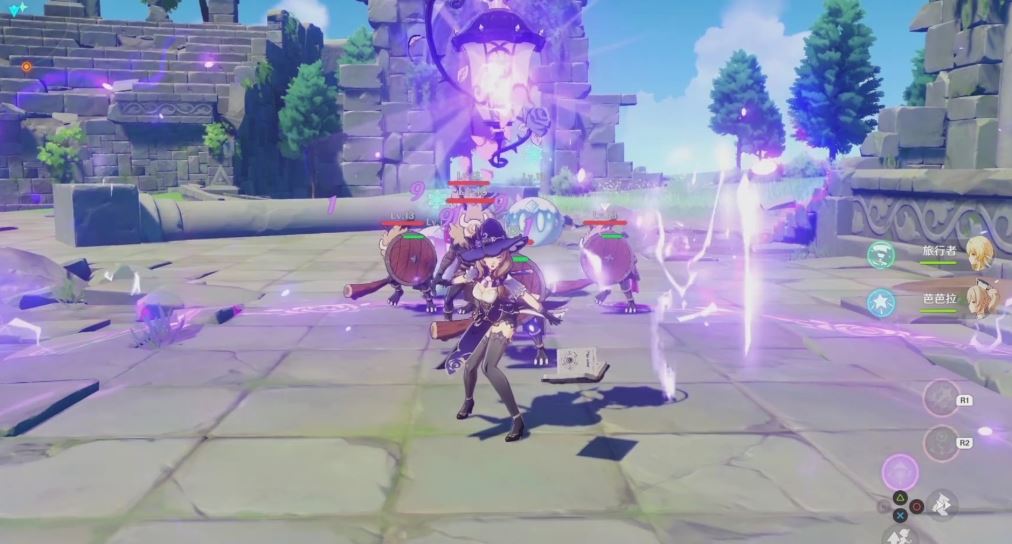
Ex-PlayStation Boss Says Japan “Can’t Replicate” Genshin Impact’s Development Model
December 7, 2025Shuhei Yoshida, former Sony executive and PlayStation boss, isn’t convinced Japanese game studios can match the speed and scale of hits like Genshin Impact, and he’s got some pretty blunt reasons why. In a recent interview, Yoshida points out that Chinese studios like miHoYo are operating at a pace and under conditions that are simply out of reach for most developers in Japan.
“The development speed in China is amazing,” Yoshida said in a conversation with 4Gamer (translated by Automaton). He emphasised how quickly Chinese teams change staff and turn out finished products, noting that everything in their process unfolds rapidly. For game studios in Japan, he suggests, it’s not just about who’s got talent; it’s about the entire ecosystem.
Why Japanese Studios Face an Uphill Battle
Yoshida didn’t dance around the big issue. When he spoke with miHoYo insiders, both sides seemed to agree: Japanese developers just can’t build games “in the same way” as their Chinese counterparts. Labour laws and expectations are a huge part of the story.
“One reason why games in China are so strong is because they are made in an environment which allows for hiring a large number of personnel who can work long hours,” Yoshida explained. That’s not just a cultural difference. In Japan, strict labour standards and legal constraints make this scale and intensity almost impossible. Legal problems loom large for any studio even thinking about copying China’s playbook.
Yoshida wonders if there are certain aspects of China’s process that Japanese teams simply “can’t replicate”, not just technically, but structurally. He doesn’t rule out change, but for now, he says, the workforce environment in China is the biggest factor behind their rapid-fire output. “Of course, you never know what might happen in the near future, but looking at the current state of things, I think that’s the biggest factor.”
China’s Speed, and Japan’s Red Tape

Games like Genshin Impact come out of studios that can hire waves of developers, rotate them quickly, and generally move at a breakneck pace. By comparison, Japanese publishers are often more conservative, bound by tighter regulations and a slower approach to hiring and managing staff.
Recent events highlight how focused Japanese companies are on rules and protections. In November, giants like Bandai Namco and Square Enix joined forces as part of CODA (Content Overseas Distribution Association). Their message to OpenAI was clear: stop using their creative works for AI training tools like Sora 2 unless you’ve got explicit permission. The statement was published publicly, underscoring just how seriously Japanese firms take legal boundaries around their content.
All these details add up to a key point: for Yoshida, what separates China and Japan isn’t just the games; it’s the entire approach to development, staffing, and the law. The system behind Genshin Impact is built on foundations that are tough for Japanese teams to match, at least right now.