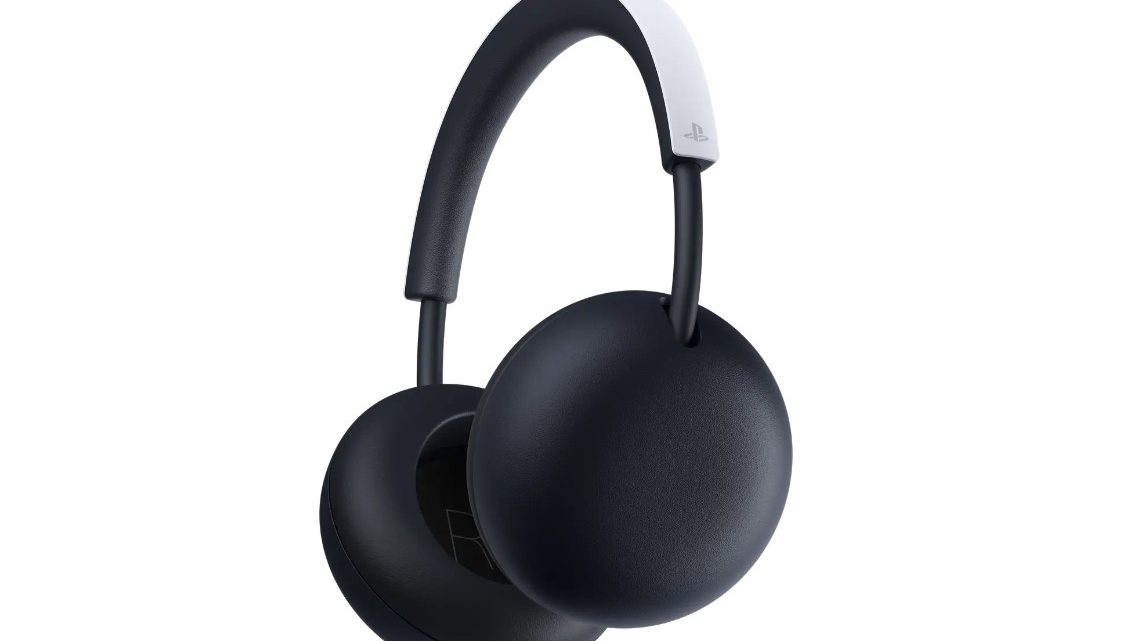
PlayStation Pulse vs Pulse Edge: Confirmed Features, Prices and Release Windows
September 16, 2026Sony's PlayStation Pulse and Pulse Edge headsets share planar magnetic drivers and PlayStation Link, but Edge adds ANC, a detachable boom mic and other hardware.
Sony has announced two new PS5-focused wireless headsets: the PlayStation Pulse Wireless Headset and the PlayStation Pulse Edge Wireless Headset. Pulse Edge has the larger confirmed feature set, including active noise cancellation, a detachable boom microphone and dedicated PS5 game/chat-balance controls that Sony does not list for the standard Pulse.
There is an important reason not to choose between them yet. Sony has confirmed broad release windows, but it has not announced prices, exact release dates, preorder dates, battery-life figures or a list of launch markets. Those missing details prevent a meaningful value comparison.
PlayStation Pulse and Pulse Edge release windows
In its September 15, 2026 announcement, Sony said the standard PlayStation Pulse Wireless Headset will begin launching in select markets during the 2026 holiday season. The Pulse Edge launch is scheduled to begin in early 2027.
That is as specific as Sony has been. The company says it will provide pricing, preorder dates and exact launch dates later. It has not identified the markets included in the initial Pulse rollout or said whether Pulse Edge will launch in the same territories.
PlayStation Pulse vs Pulse Edge specifications
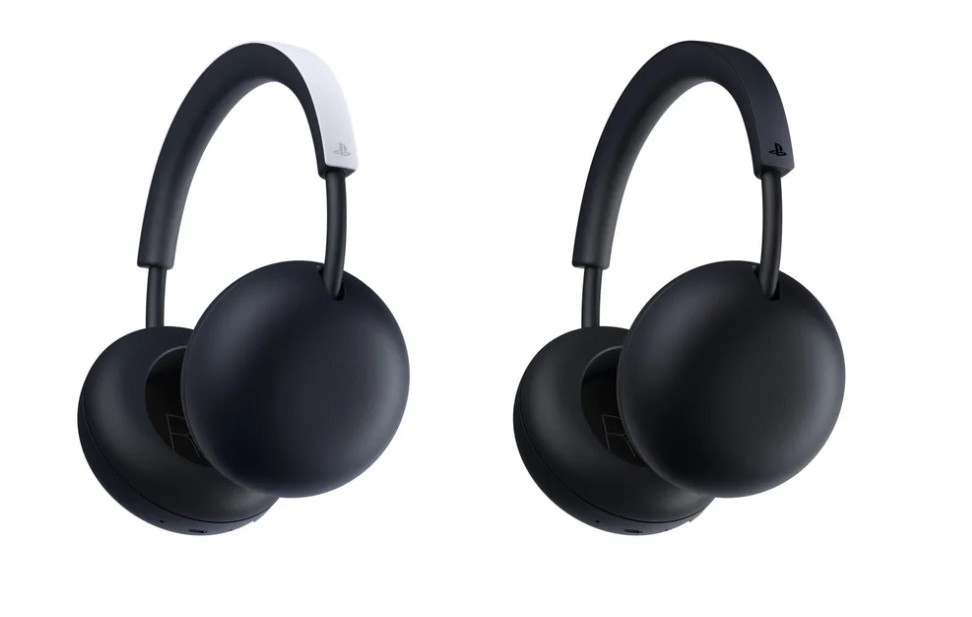
Sony’s announcement establishes the following feature split. Entries described as not listed reflect Sony’s comparison rather than independent testing of the products.
| Feature | PlayStation Pulse | PlayStation Pulse Edge |
|---|---|---|
| Release window | 2026 holiday season in select markets | Early 2027 |
| Price | Not announced | Not announced |
| Planar-driver magnets | Four per driver | Eight per driver |
| Active noise cancellation | Not listed | Included |
| Microphone design | Built-in microphone with AI-enhanced noise rejection | Hidden microphone plus detachable boom microphone, with AI-enhanced noise rejection |
| Dedicated PS5 game/chat-balance control | Not listed | Included |
| Audio and microphone jack | Not listed | Included |
| Carrying case | Not listed | Included |
| Battery-life figure | Not announced | Not announced |
What both PS5 headsets share
Sony says both Pulse and Pulse Edge use custom planar magnetic drivers, support PlayStation Link and can connect simultaneously to supported Bluetooth devices. Both headsets also include AI-enhanced microphone noise rejection, rotating earcups and White and Midnight Black color options.
The simultaneous connectivity is intended to support a Bluetooth device alongside PlayStation Link audio. Sony has not supplied a complete supported-device list in the announcement, so buyers should check the final compatibility requirements rather than assume that every Bluetooth configuration will work.
- Custom planar magnetic drivers
- PlayStation Link wireless connectivity
- Simultaneous connectivity with supported Bluetooth devices
- AI-enhanced microphone noise rejection
- Rotating earcups
- White and Midnight Black color options
These are manufacturer-stated specifications, not independently tested performance findings. Sony has not published final battery-life numbers, weights, dimensions, charging details or codec information for either headset.
What Pulse Edge adds over PlayStation Pulse
Pulse Edge is the more feature-rich model in Sony’s comparison. Each of its planar magnetic drivers uses eight magnets, compared with four in the standard Pulse. Sony also lists active noise cancellation, a carrying case, an audio and microphone jack, and built-in PS5 game/chat-balance controls only for Edge.
The microphone configuration is another distinction. Pulse Edge includes a detachable boom microphone as well as a hidden microphone option. Sony’s official Pulse Edge product page also describes its ANC, PS5 interface integration and premium materials.
The standard model’s official Pulse product page refers generally to adjusting audio and chat balance. However, Sony’s announcement table specifically identifies built-in PS5 game-audio and chat-balance control as an Edge feature. The standard Pulse therefore should not be described as having the same dedicated control hardware.
Which PlayStation headset should PS5 owners consider?
Based on confirmed specifications, Pulse Edge is the relevant model for players who require active noise cancellation, a detachable boom microphone, a carrying case or dedicated PS5 game/chat controls. It also has twice as many magnets in each planar driver, although that specification alone does not establish how it will sound in independent testing.
The standard Pulse retains the shared planar-driver design, PlayStation Link support, supported simultaneous Bluetooth connectivity and AI-enhanced microphone noise rejection. It is also scheduled to arrive first. For buyers who do not need the Edge-only hardware, the standard model may be sufficient—but its value cannot be assessed until Sony announces a price.
Price, battery life and comfort could substantially affect the choice. There is no evidence yet for saying that Pulse offers better value or that Edge’s additions justify whatever price Sony eventually sets. SoundGuys’ independent announcement coverage also noted the absence of pricing and exact release dates.
Do Pulse and Pulse Edge replace Pulse 3D and Pulse Elite?
Sony has not confirmed that they do. Its announcement presents Pulse and Pulse Edge as a refreshed lineup, but it does not say that Pulse replaces Pulse 3D, that Pulse Edge replaces Pulse Elite or that either older headset will be discontinued.
Some independent coverage has described the products as successors. That is a reasonable interpretation of their positioning, but it is not confirmed product-roadmap language from Sony. Buyers should not infer anything about the continued availability or support of the older models until Sony addresses it directly.
What to wait for before preordering
Sony has provided enough information to establish the feature differences, but not enough for a final purchase recommendation. Before ordering either headset, PS5 owners should wait for:
- Regional pricing
- Exact release and preorder dates
- A confirmed list of launch markets
- Final battery-life and charging specifications
- Weight, dimensions and complete compatibility requirements
- Independent testing of sound, microphone quality, comfort and Pulse Edge’s active noise cancellation
Sony’s product information cautions that specifications and battery behavior are based on pre-production hardware and may change. Until the missing details arrive, Pulse Edge is the confirmed feature leader, while the standard Pulse is the earlier-scheduled model with the principal shared connectivity and microphone features.