
ChatGPT’s App Integrations Let You Use Spotify, Uber, DoorDash and More Without Leaving the Chat
December 31, 2025You can now connect Spotify, Uber, DoorDash, Canva, and other popular services directly to ChatGPT and ask the chatbot to perform tasks inside those apps, like creating playlists, ordering food, booking hotels, or generating designs—all from a single interface.
OpenAI has officially rolled out third-party app integrations for ChatGPT, transforming the chatbot from a conversation tool into a multi-service digital assistant. By connecting your apps under the Settings > Apps and Connectors menu, you can prompt ChatGPT to perform actions across multiple platforms like Booking.com, Spotify, Uber, DoorDash, Target, and more. These integrations are currently available to users in the U.S. and Canada, with more partners expected in 2026.
How to Enable ChatGPT App Integrations
To get started, make sure you’re logged in to ChatGPT on the web or mobile. Then:
- Step 1: Type the name of the app (e.g., “Spotify” or “DoorDash”) into the chat prompt.
- Step 2: ChatGPT will walk you through linking your account.
- Step 3: Alternatively, go to Settings > Apps and Connectors to see the full list and connect everything in one go.
Each integration requires you to grant ChatGPT permission to access your data from the connected app. For example, linking Spotify means ChatGPT can access your playlists and listening history to personalise its recommendations. You can revoke access at any time from the same settings menu.
What You Can Do With Each ChatGPT Integration

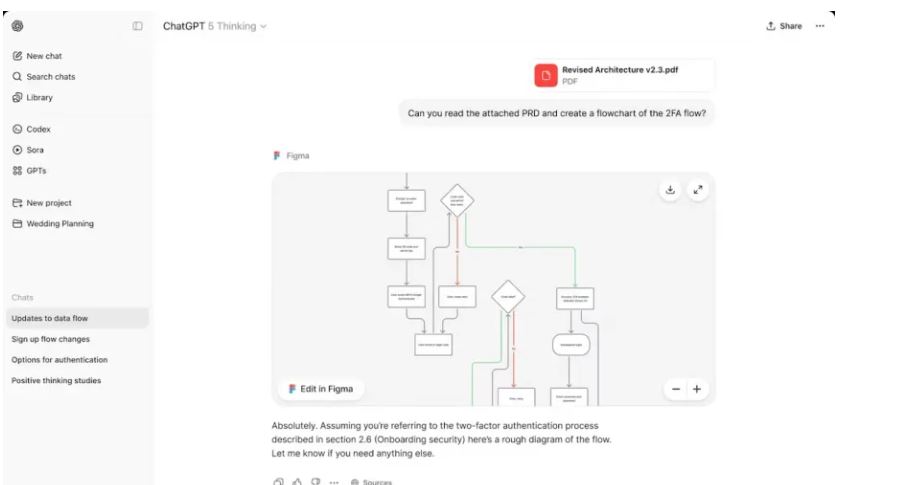


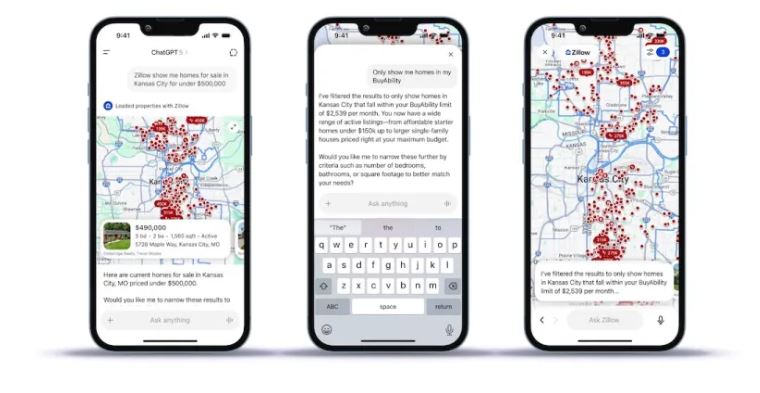
Here’s a breakdown of the most popular integrations and what they allow you to do:
- Spotify: Create playlists based on your mood, favourite bands, or genres. Ask for music recommendations, podcasts, or audiobooks, and manage your Spotify library—all inside ChatGPT.
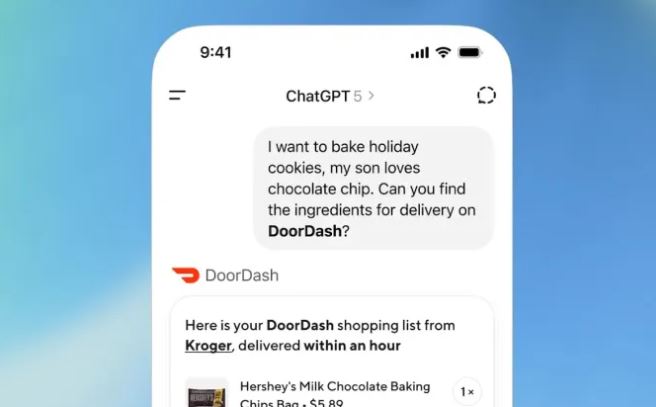
- DoorDash: Plan meals and add groceries to your cart instantly. Currently available in the U.S. only, with supported stores including Kroger, Wegmans, and Safeway.
- Uber: Request on-demand rides (not scheduled) from UberX to Uber Black. Confirm and pay in the Uber app. Also includes Uber Eats integration for browsing local restaurants and dishes.
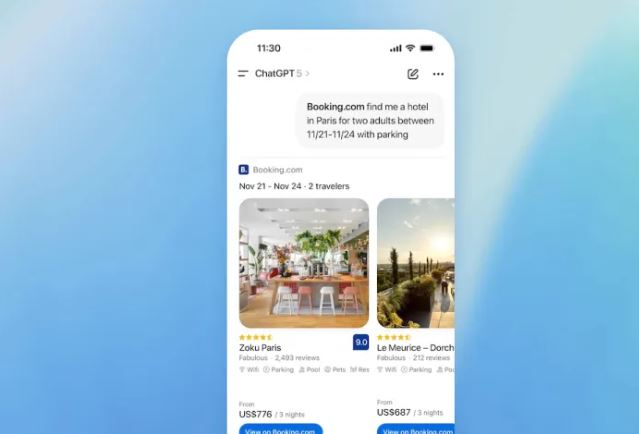
- Booking.com: Find hotels based on dates, number of guests, and preferences like “breakfast included” or proximity to public transport. Complete bookings via the site.
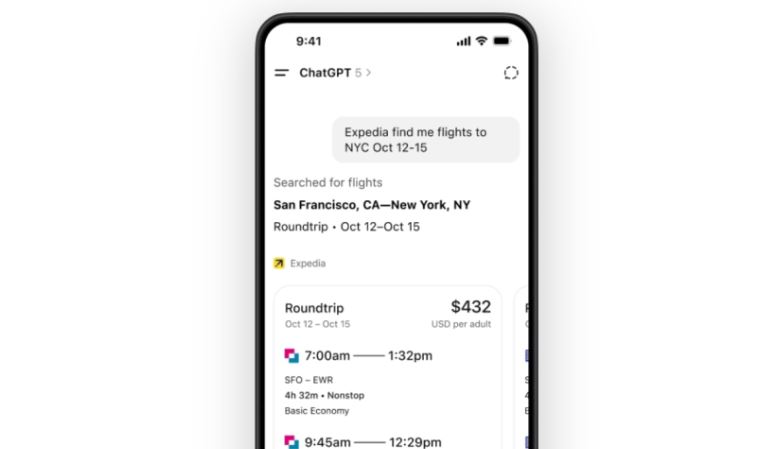
- Expedia: Search for flights and hotel combinations tailored to your travel plans. You can narrow down with filters like star ratings or budget, then complete your booking on Expedia.
- Canva: Generate social media graphics, posters, or slide decks with specific fonts, colours, and dimensions. Great for design brainstorming or fast mockups.
- Figma: Ask ChatGPT to build diagrams, product roadmaps, or flowcharts. You can also upload files for collaborative planning.
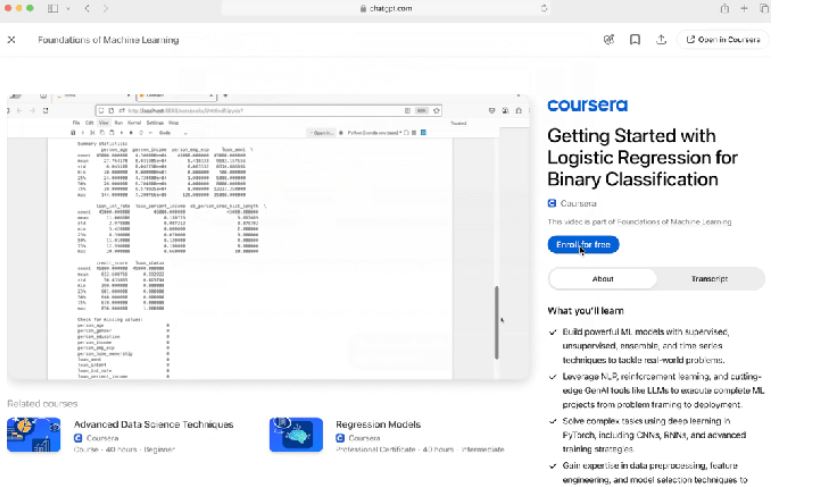
- Coursera: Find skill-based courses by level (e.g., beginner or intermediate Python). ChatGPT compares options by price, length, and content overview.
- Target: Get product suggestions, build themed shopping carts (like a movie night pack), and select same-day pickup, Drive Up, or shipping at checkout.
- Zillow: Search for homes with specific filters like price, bedroom count, or neighbourhood. ChatGPT helps narrow your options with just a text prompt.
Coming Soon: OpenAI says integrations for PayPal, Walmart, and OpenTable are on the roadmap for 2026, further expanding the app ecosystem inside ChatGPT.
As OpenAI gradually opens the platform to more users and regions, the goal is to turn ChatGPT into a personalised assistant that can manage your daily life, not just your questions. But with every integration comes the question of data privacy. Users are strongly encouraged to review permissions before linking accounts, as ChatGPT gains access to various types of personal information; music history, travel preferences, and location data, among others.
The integrations mark a new direction in how AI tools interact with real-world services, showing that AI’s utility goes far beyond writing emails or generating poems. And with apps like Spotify, Uber, Canva, and DoorDash already onboard, the convenience factor is undeniable.